Application · Renewable Energy

Renewable Energy Integration

SiC power electronics and solid-state transformers for PV and wind interconnection — higher efficiency, stricter grid-code compliance and DC coupling for hybrid plants.

Home/Applications/Renewable Energy
The Challenge

Every Megawatt of Renewable Power Has to Cross the Same Gate

Solar and wind are cheap to generate — but connecting them to the grid costs efficiency, and grid codes keep getting stricter.

  • Interconnection losses: Traditional plant transformers + inverters lose 3–5% of every megawatt hour
  • Stricter grid codes: LVRT/HVRT, reactive support and frequency response are now mandatory in most markets
  • Curtailment: Weak networks force operators to curtail generation when the grid cannot absorb it
  • Harmonics: Large inverter fleets inject harmonics that must be filtered to IEEE 519 / IEC 61000
  • Hybrid plants: PV + storage + wind on one connection needs flexible, bidirectional power conversion
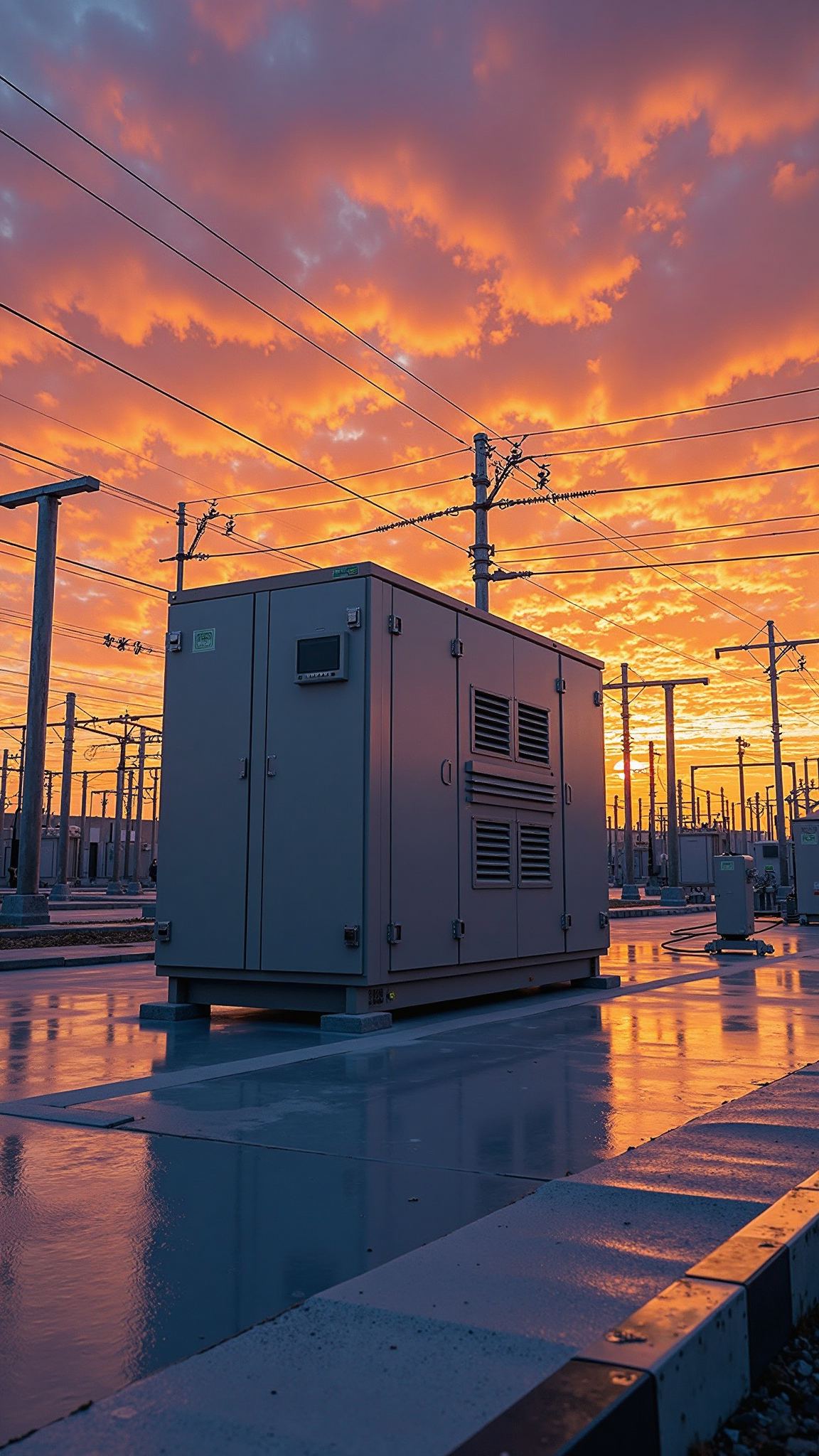
Renewable Energy Power Converter and SST
Our Solution

Cleaner, Smarter Interconnection with SiC

From SiC-based power conversion stages to complete SST interconnection units — engineered around your plant, your grid code and your PPA economics.

High-Efficiency Conversion

SiC-based PCS and SST stages deliver ≥99% efficiency — more energy sold, less heat, better LCOE.

Grid-Code Compliance Built In

LVRT/HVRT, reactive power range and frequency response engineered to the specific grid code of your market.

DC Coupling for Hybrid Plants

PV and storage share one DC bus through a common SST interconnection — fewer stages, lower cost, higher round-trip efficiency.

Harmonic & PQ Management

Active filtering and reactive compensation integrated into the interconnection unit — no separate filter banks.

Fast Dynamic Response

Millisecond-level control keeps the plant stable through irradiance and wind swings — and earns ancillary-service revenue.

Compact Plant Footprint

High-frequency magnetics shrink the interconnection station — more land for generation, less for equipment.

Reference Capabilities

Interconnection Reference Specification

ParameterReference Range
Plant Scale500 kW – 100+ MW (multi-unit configuration)
Interconnection Voltage10 / 20 / 35 kV (higher on request)
Conversion Efficiency≥ 99% (SST stage), ≥ 98.5% (full PCS chain)
Grid SupportLVRT/HVRT, reactive power (0.9 leading – 0.9 lagging), frequency response
DC InterfacePV array + battery DC coupling
HarmonicsCompliant with IEEE 519 / IEC 61000
CommunicationIEC 61850, Modbus, plant SCADA / EMS integration

Related: Future Power Architecture · SiC Technology in Medium Voltage Applications

Building Blocks

What We Supply for Renewable Projects

SiC Power Conversion Systems

Grid-tied PCS and conversion stages for PV, wind and hybrid plants — 30 kW to 3.45 MW units.

View PCS Products →

MV SST Interconnection Units

Project-custom SST units that combine transformation, conversion and grid support in one system.

View Solution →

Power Quality Equipment

SVG, APF and hybrid compensation for plants that need additional filtering or reactive support.

View PQ Products →
FAQ

Common Questions

Is SST interconnection economically competitive today?

For most plain PV or wind plants, conventional transformer + PCS remains the economical default. SST interconnection wins where grid codes demand advanced support, where space is constrained, or where hybrid DC coupling (PV + storage) removes a conversion stage — we help you model both options honestly.

Which grid codes do you design against?

We engineer against the grid code of your market — IEEE 1547 (US), EN 50549 / VDE-AR-N 4110 (Europe), and national codes on request. The compliance matrix is part of the technical proposal.

Can you retrofit an existing plant's interconnection?

Yes. Adding SiC-based PQ equipment or replacing the interconnection stage of an existing plant is a common upgrade path to meet new grid codes or increase capacity without new land.

Discuss Your Power Project

Tell us your plant size, technology (PV / wind / hybrid) and target market — our engineers will respond within 24 hours.

Discuss Your Power Project