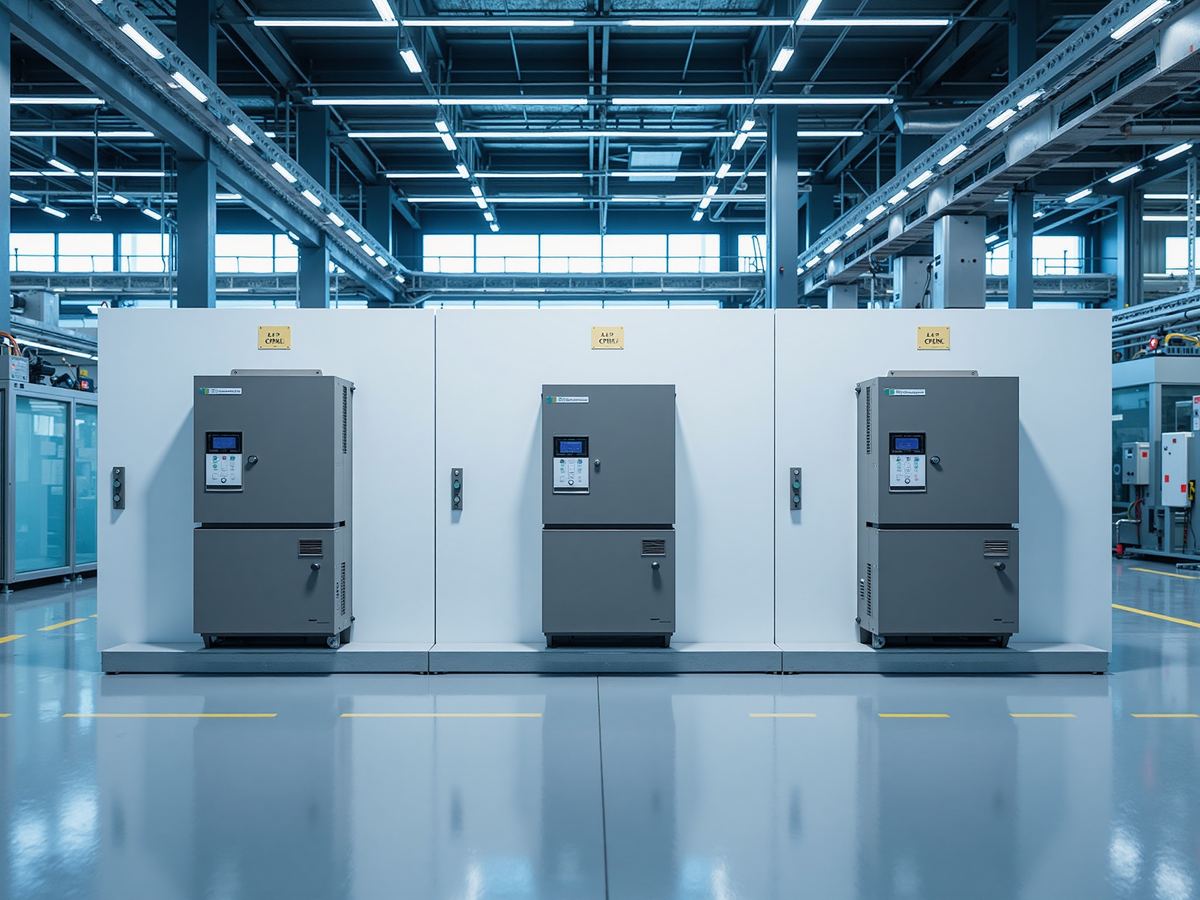
SiC-based chargers and solid-state transformer solutions for high-power charging — from 30 kW curbside units to megawatt charging hubs that do not break the grid.
A single 350 kW charger draws more power than 50 homes. Fleets and charging hubs at the megawatt scale are colliding with distribution networks sized for the last century.
An MV SST feeds the charging hub's DC bus directly from 10/20/35 kV — eliminating the transformer bottleneck and giving every stall clean, stable power.
SiC-based chargers reach ≥96% efficiency — less heat, lower operating cost, better total cost per kWh delivered.
SST input stages take MV directly to the hub DC bus — no dedicated MV transformer, no double conversion.
Low harmonics, high power factor and active load balancing — the features utilities demand in interconnection approval.
OCPP-based smart charging distributes available power across stalls — serve more vehicles with the same connection.
Add power modules and stalls as demand grows — from pilot stalls to full depot charging, without redesign.
On-site storage decouples charging peaks from the grid — charge the buffer overnight, charge vehicles all day.
| Parameter | Reference Range |
|---|---|
| Charger Power | AC 7–22 kW; DC from 30 kW to 350+ kW per stall |
| Charging Standards | CCS1 / CCS2, CHAdeMO, GB/T, Type 1/2 AC |
| Hub Scale | Single chargers to megawatt charging hubs / depot fleets |
| Input Options | 0.4 kV LV; 10 / 20 / 35 kV via SST for hub scale |
| Efficiency | ≥ 96% (SiC-based DC charging) |
| Management | OCPP 1.6 / 2.0, cloud platform, RFID / app / load management |
| Grid Impact | Low harmonic (IEC 61000 / IEEE 519), power factor > 0.99, active load balancing |
Related: AI Data Center Power Requirements · SiC Power Module Guide
SiC-based DC fast charging stations and modular power units, 30 kW and up.
View Chargers →MV-to-DC solid-state transformer units that power the hub DC bus directly.
View Solution →Battery buffering and cloud energy management to flatten demand and cut demand charges.
View Storage →When site power exceeds what the LV grid can deliver — typically above ~1 MW, or when a dedicated MV connection is required. SST also makes sense where space is tight, where harmonics must stay minimal, or where you want battery-buffered, grid-friendly operation from day one.
Yes. Modular power units and OCPP-based management mean you can deploy a few stalls on LV today and add SST-fed power modules as utilization grows — the management layer stays the same.
We prepare the technical documentation utilities ask for — harmonic study, power factor, load profile and protection coordination — as part of the proposal package, so the approval process is shorter.
Tell us about your charging site, target power and timeline — our engineers will respond within 24 hours.
Discuss Your Power Project